
Anyone who has tried to book a table for twelve people on a Friday night in Dallas knows the drill. You call around, get put on hold, hear “we can only do parties of six or fewer,” and start wondering if you’re overthinking a birthday dinner. You’re not. Large groups are genuinely harder to host well, and most restaurants aren’t built for them.
The good news is that Downtown Dallas has more options for this than people usually assume, and once you know what to ask for, the planning gets a lot less stressful.
What you’ll learn
- How to lock in your headcount before you start calling restaurants
- The difference between a plated menu, family style, and open ordering for groups
- How timing and seating setup change everything for a party of 8 or more
- What private dining actually means (and when you don’t need it)
- Budget-friendly ways to keep a group dinner feeling special
- Questions worth asking before you confirm a reservation
Start with the number that matters most: your final headcount
Every decision downstream of your birthday dinner depends on one thing: how many people are actually coming. Not the group chat headcount. The real one.
Most restaurants that handle groups well ask for a firm number 48 to 72 hours in advance, because that’s when they finalize staffing, prep, and seating layout. If you tell them 10 and 16 show up, you’re not getting extra chairs pulled up — you’re getting a much worse night for everyone, including the other guests dining that evening.
A simple trick that planners swear by: send the invite with an RSVP deadline that’s a few days earlier than you actually need it. That buffer gives you room to chase down the two people who never respond to group texts.
Decide how the menu will work before you pick a restaurant
This is the part people skip, and it’s the one that causes the most stress on the actual night.
For groups of 8 or more, restaurants generally offer one of three approaches:
- Open menu, individual ordering — everyone orders whatever they want off the regular menu. Works well for smaller groups (8–10) but can slow the kitchen down significantly past that.
- Family style — shared plates down the center of the table. Great for groups that like to try a bit of everything, and it naturally gets people talking.
- Set or prix fixe menu — the restaurant preselects a few courses, sometimes with choices for the main. This is usually the fastest, most predictable option for large parties, and it’s often what venues require once you cross 15–20 guests.
If your group has strong opinions about food — vegetarians, someone who doesn’t eat seafood, a friend who’s dramatic about cilantro — ask about the set menu options early. Most restaurants can build in a swap or two without turning it into a custom order for every seat.
Something restaurants rarely advertise but almost always allow: mentioning the birthday when you book. A kitchen that knows in advance can time a dessert course, or at least make sure it doesn’t get lost in the shuffle of a busy night.
Timing your reservation around a group instead of a couple
A table for two can slide into an 8:00 PM Saturday slot without much friction. A table for fourteen cannot, at least not at most Downtown Dallas restaurants during peak hours.
Two windows tend to work best for large birthday dinners:
- Early dinner, 5:30–6:30 PM — the kitchen isn’t at full volume yet, service is more attentive, and there’s less pressure to turn the table.
- Later seating, after 8:30 PM — once the first wave has cleared out, some restaurants can accommodate a longer, more relaxed group without a hard end time.
The riskiest window is the middle of peak service, 7:00–8:00 PM on a Friday or Saturday. That’s when even a great restaurant is running at full capacity, and a large party can end up feeling rushed no matter how good the food is.
Private dining vs. a reserved section of the main room
“Private dining” gets thrown around loosely, so it’s worth knowing what you’re actually asking for.
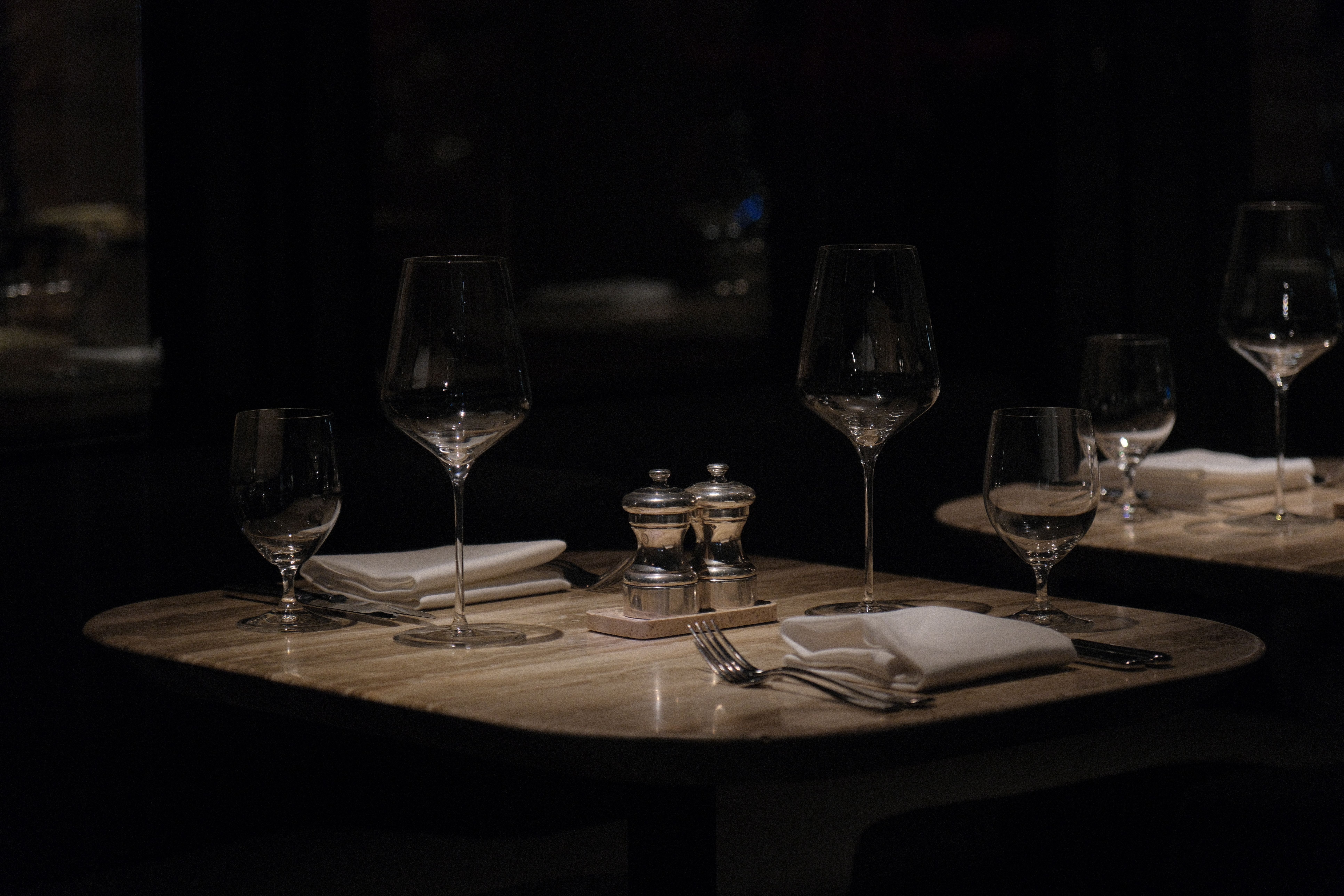
A true private dining room is a separate, enclosed space — sometimes with its own menu minimums, a required deposit, or a rental fee. It’s the right call for milestone birthdays (30th, 40th, 50th), groups over 20, or anyone who wants speeches, a slideshow, or music without disturbing other diners.
A reserved section of the main dining room is a lighter-weight version: a set of tables blocked off for your party, still part of the restaurant’s regular energy. For most birthday dinners in the 10–18 person range, this is genuinely the better fit. You get the buzz of a full restaurant, no rental fee, and usually a lower per-person minimum than a private room requires.
Ask directly: “Do you have a private room, or would we be in a reserved section?” Restaurants use these terms inconsistently, so the plain-language question gets you a clearer answer than the menu on their website.
Setting a budget your guests can actually agree on
Money is the quiet reason a lot of group dinners fall apart before they even happen. Someone assumes it’s split evenly, someone else assumes the birthday person gets covered, and nobody says any of this out loud until the check arrives.
A few approaches that actually work:
- State the plan in the invite. “Dinner will be split evenly, roughly $60–75 per person including tax and tip” removes all the guesswork.
- Set menu, set price. If the restaurant offers a prix fixe option, the per-person cost is fixed from the start, which makes splitting the bill painless.
- Host covers the guest of honor. A common and easy compromise: everyone splits their own food and drinks, and the group quietly covers the birthday person’s meal.
Whatever you choose, say it before the reservation, not after the appetizers arrive.
Small touches that make a group dinner feel like a birthday
You don’t need a full event to make the night feel intentional. A few small requests go a long way:
- Ask the restaurant to bring the dessert with a candle, even if it’s not on the printed menu
- Request a specific seat for the birthday person — center of the table, facing the room
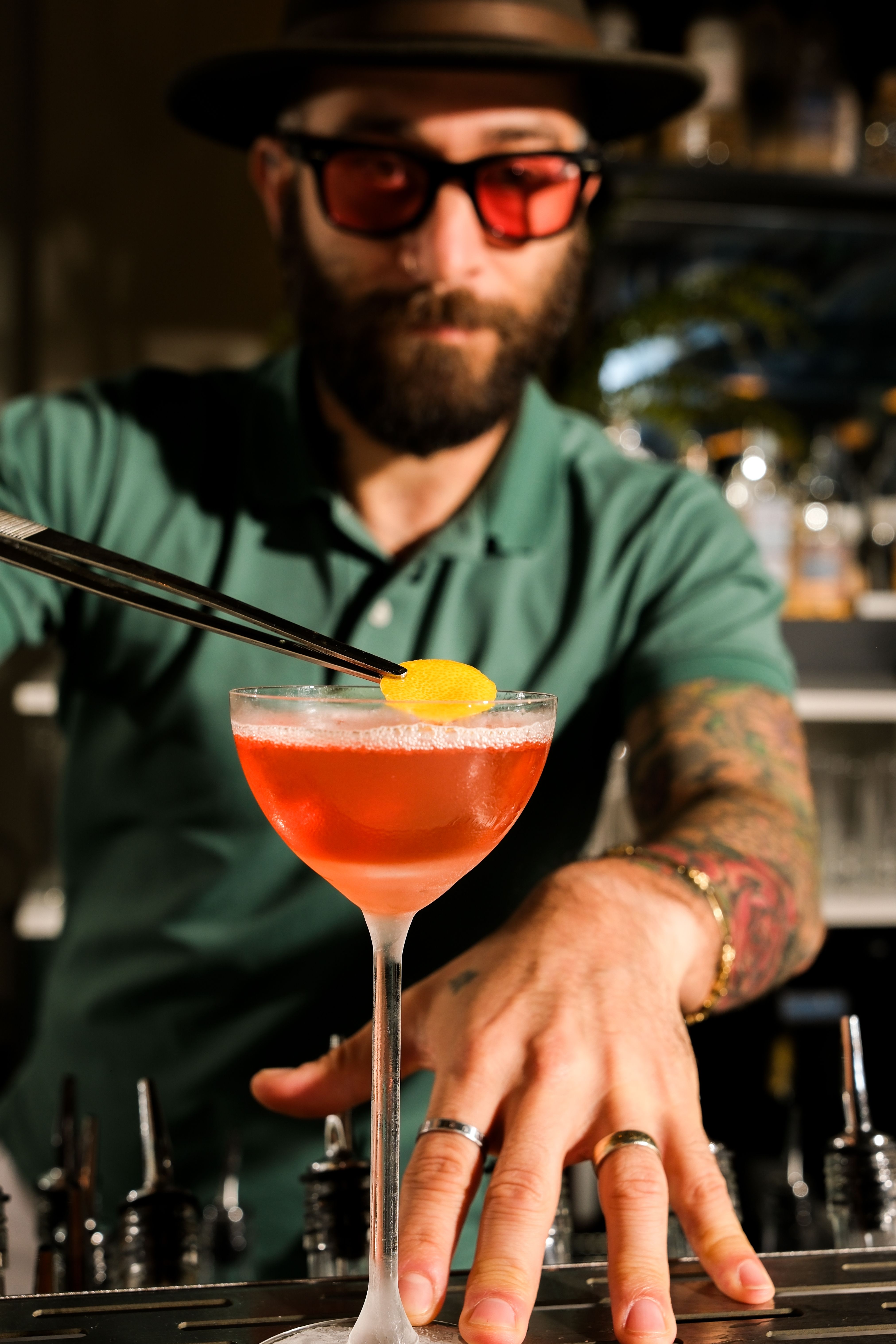
- If the venue has a cocktail program, ask about a round of a signature drink to kick things off
- Bring a small decoration (a sash, a “reserved” sign with their name) — most restaurants are fine with this as long as it’s not confetti or anything that needs cleanup
None of this requires the restaurant to do extra work. It just requires asking.
Why Downtown Dallas works well for group celebrations
Downtown, and the West End Historic District specifically, has a few practical advantages for large group dinners that don’t get talked about enough.
Parking is easier to plan around than in denser nightlife areas — there are garages and lots within a short walk of most restaurants, which matters when you’re coordinating a dozen people’s arrival times. The neighborhood also has enough restaurant density that if your first-choice spot is booked, there’s usually a solid alternative a block or two away.
It’s also walkable enough that a group can move from dinner to a bar afterward without needing to coordinate rideshares, which keeps the night going without adding logistics.
3Eleven Kitchen & Cocktails, located in the West End, is set up with exactly this kind of night in mind — a farm-to-field menu that works well family style, a cocktail list built for a group toast, and a team used to coordinating headcounts, timing, and dessert requests for birthday parties.
What to ask when you call to book
Before you confirm anything, it’s worth getting clear answers to:
- What’s the largest party size you can seat together, and is there a minimum spend?
- Do you require a set menu above a certain headcount?
- Is there a deposit, and is it refundable if the group size changes?
- What’s your policy on outside desserts or decorations?
- How much time will we have at the table before it needs to turn over?
Getting these answered upfront is the difference between a smooth night and a stressful one. Most restaurants that regularly host groups — 3Eleven included — will walk you through all of this on a single phone call.